Celebrations5 min
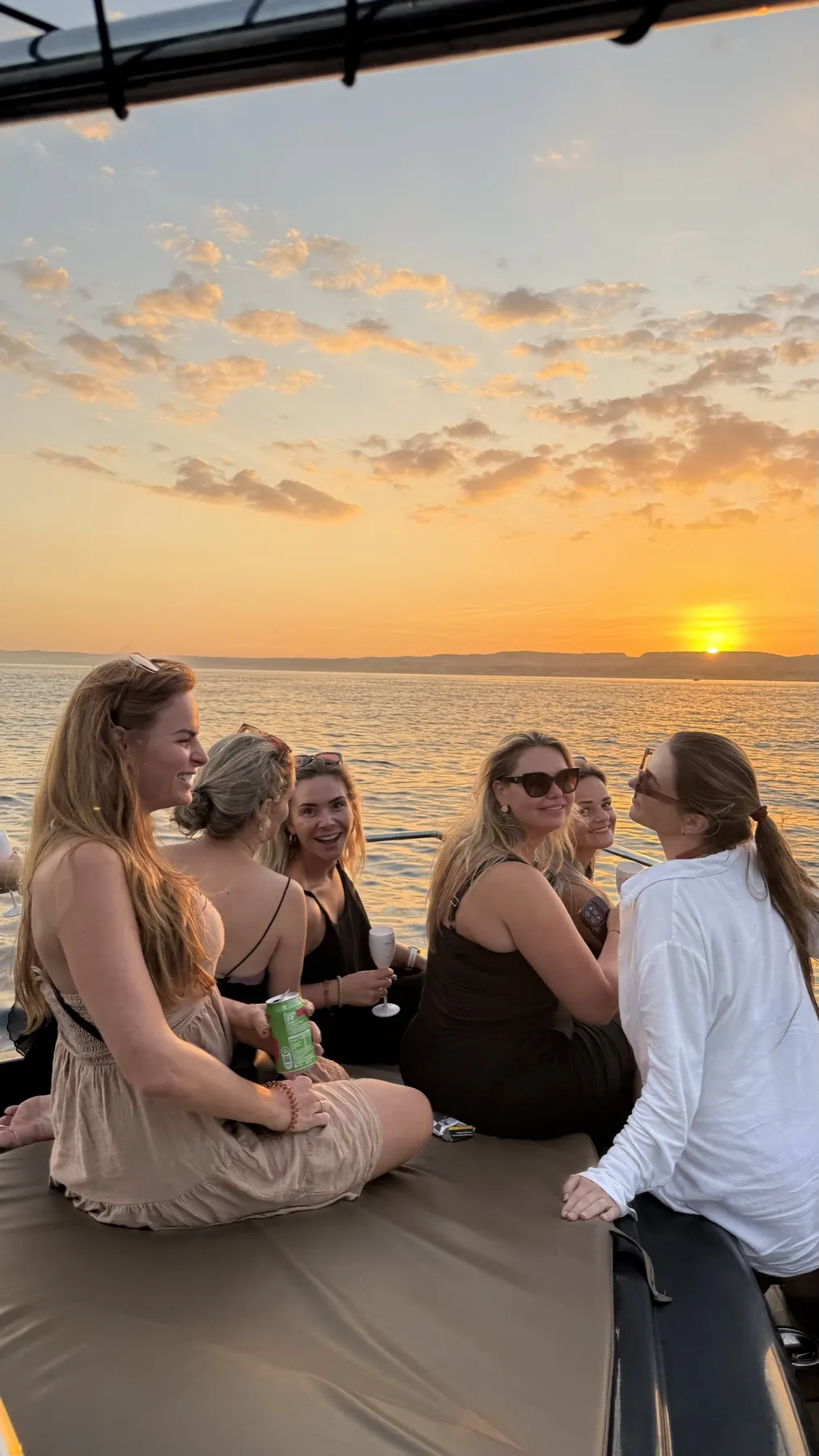
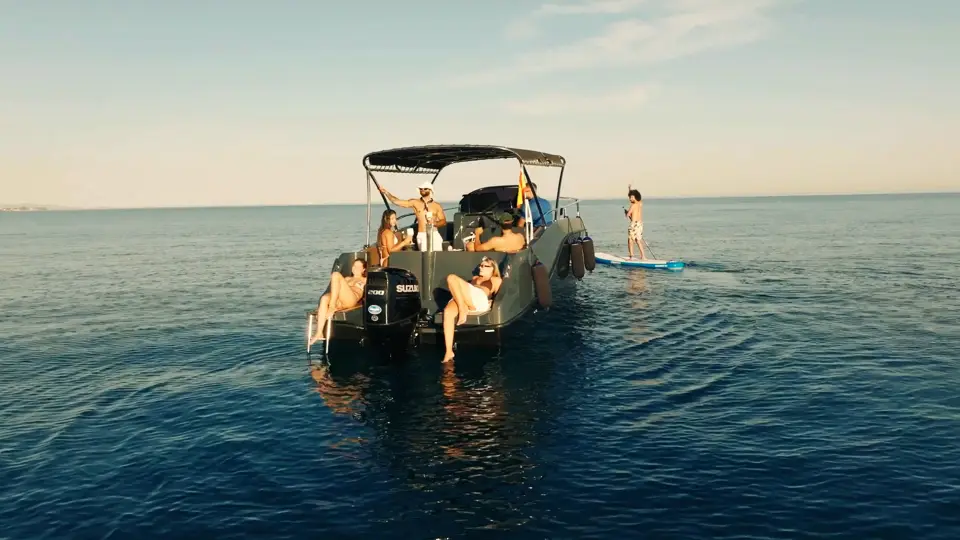
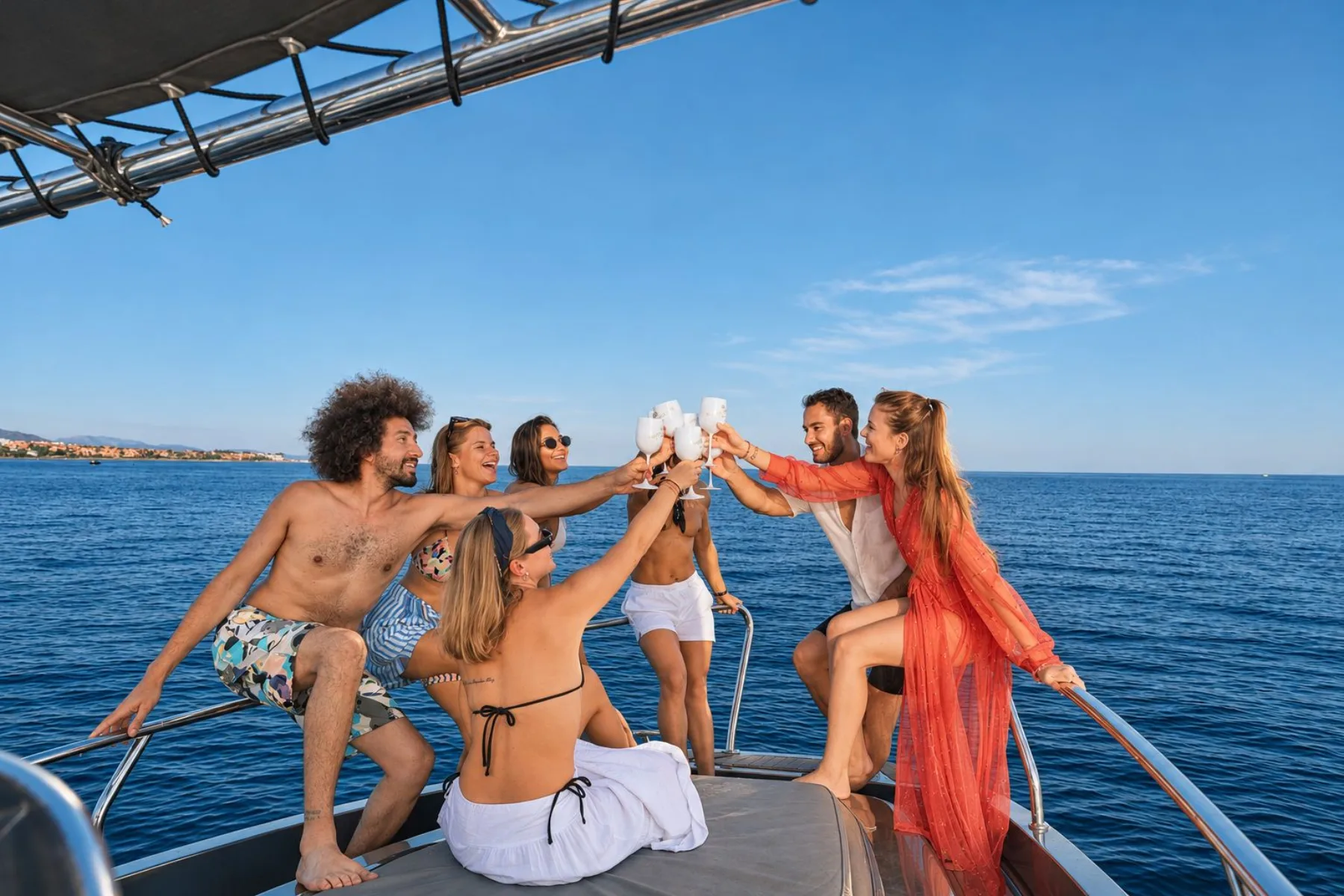
Celebrating on a boat in Estepona: how to plan it
Birthdays, hen and stag parties, proposals and family days: how long to go for, what to bring and what we can arrange.
Read the article

Marine life · Field notes
The sea off Estepona is busier than it looks from the beach. Here is what you may meet on a trip, and how to give yourself the best chance.
· 4 min read
By Boat Charter Estepona 4 min read
Estepona sits at the western end of the Costa del Sol, not far from the Strait of Gibraltar, where the Atlantic and the Mediterranean meet. That mixing of waters is a big part of why this stretch of coast is so alive. From the beach, the sea looks calm and empty. A mile out, it very often isn’t.
First, the honest part. Everything in this article is wild. Nothing is scheduled, nothing is fed and nothing is guaranteed. What we can offer is a skipper who knows these waters, a comfortable boat to watch from and the patience to look properly. The rest is up to the sea.
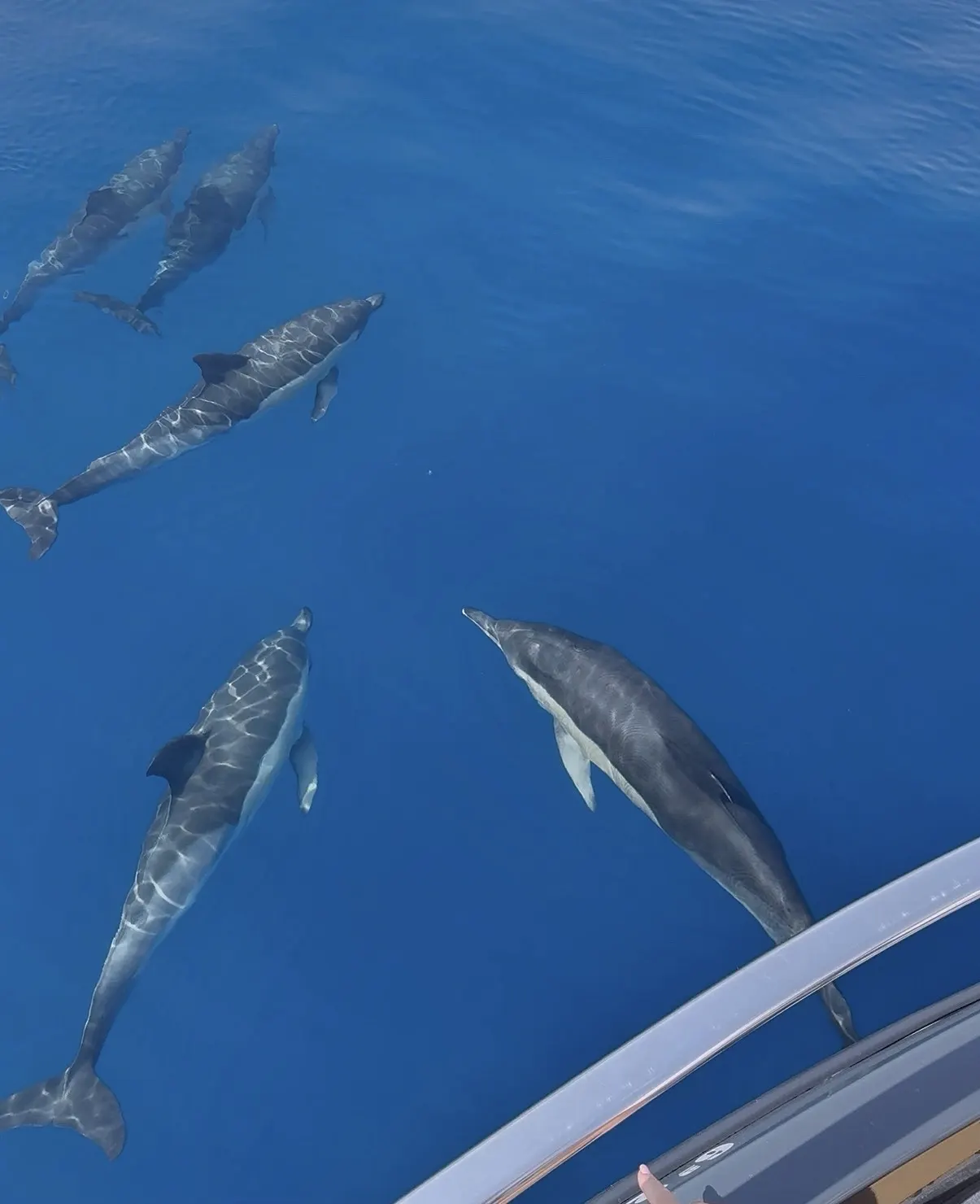
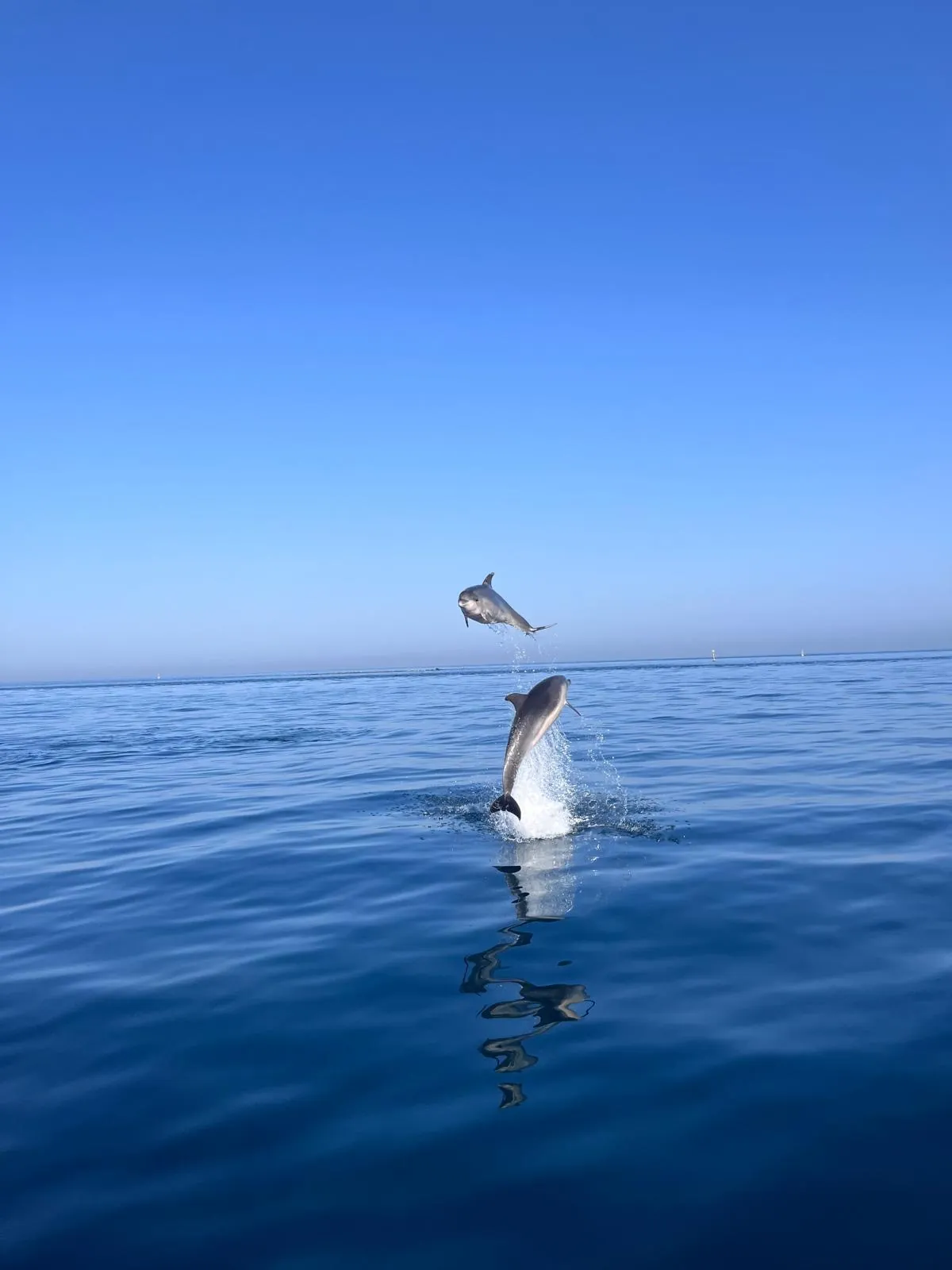
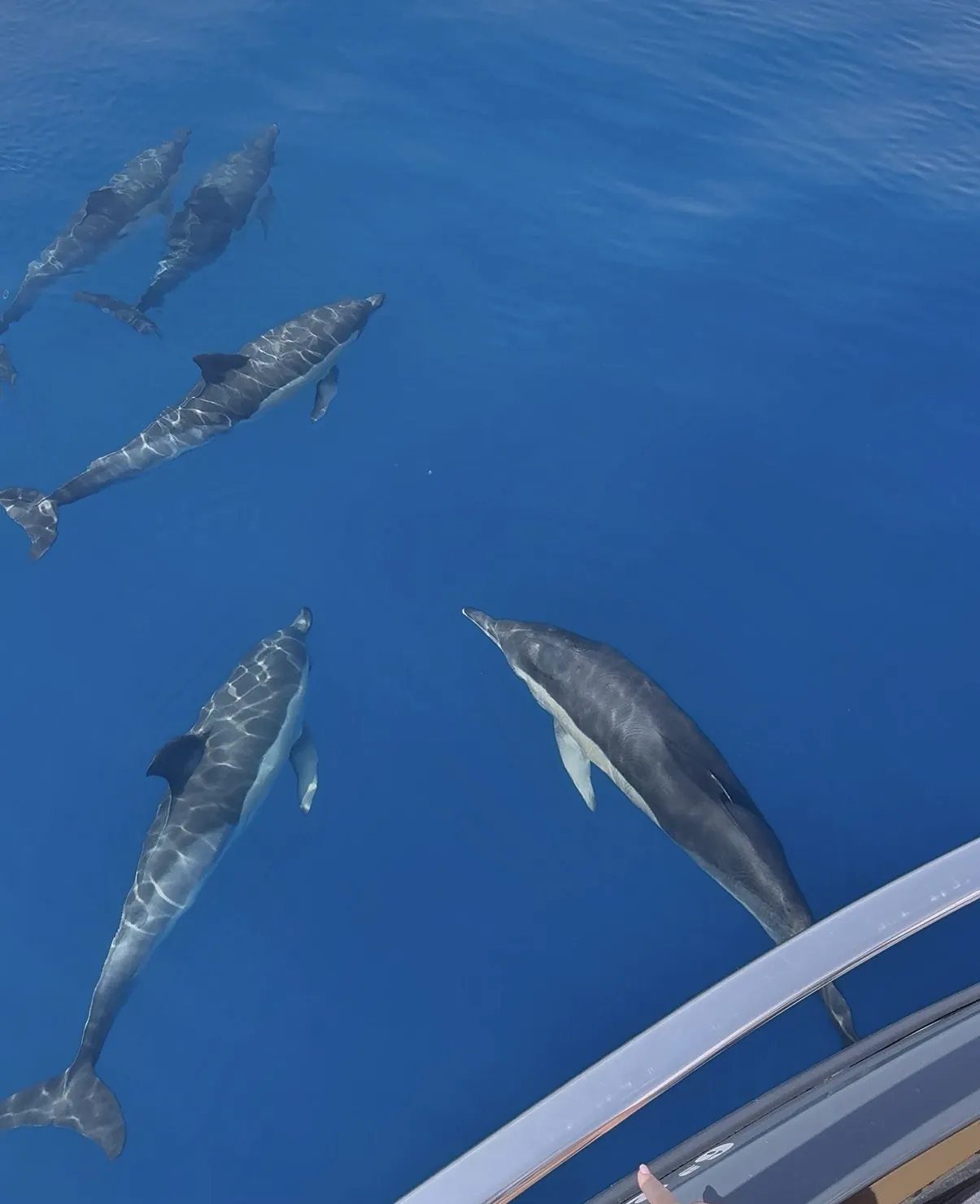
Dolphins are the encounter most guests are quietly hoping for. In this part of the Mediterranean, the species usually reported are the common dolphin, smaller, quick, with a pale yellowish hourglass along its flank, and the larger, greyer bottlenose dolphin. Striped dolphins also live in the wider waters around the Strait.
They tend to travel in groups, and when they are in the mood they come over to ride the pressure wave at the bow. That is the moment people remember: dolphins a metre below the surface, close enough to hear them breathe when they come up for air.
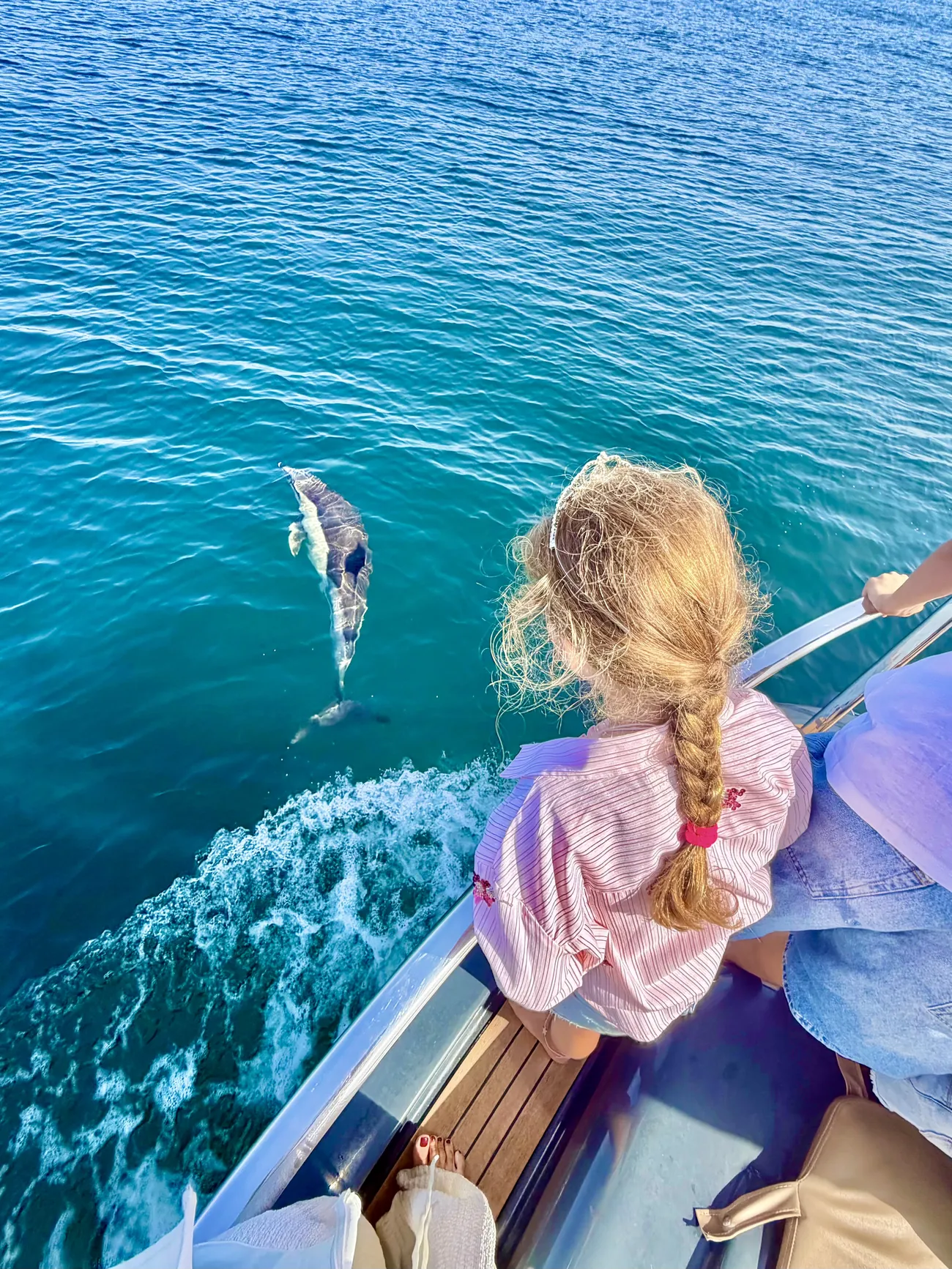
Turtles are a quieter kind of sighting. Usually it is a dark, rounded shape resting at the surface, or a small head lifting for a breath before slipping back down. The species you are most likely to meet in the western Mediterranean is the loggerhead turtle.
If we spot one, we slow right down and keep our distance. Turtles are easily disturbed, and a boat should never be the reason one has to change course.
In the warmer months, flying fish are one of the small joys of a trip. Startled by the bow, they burst out of the water and glide low over the surface for an improbably long way, fins spread like wings, before vanishing again. Keep an eye on the water just ahead of the boat.
Bluefin tuna have migrated through the Strait of Gibraltar for centuries; the traditional almadraba fisheries on the Cádiz coast were built around their passage. Now and then you see the surface boil where tuna are hunting smaller fish, often with seabirds diving into the same patch of water.
Whales are the rare one. The waters around the Strait are known for pilot whales, and larger whales pass through from time to time. We see one occasionally, never on demand. If it happens on your trip, you will be telling the story for years.
Nothing out here runs to a timetable. That is exactly what makes it worth looking.
Spain has specific rules on how boats should behave around whales and dolphins, and they make sense even if you never read them: approach slowly and from the side, never head straight at the animals, never cut through a group or come between a mother and her calf, and let them decide how close they come. No feeding, no touching, no chasing.
In practice, that is how the best encounters happen anyway. Curious dolphins will come to you. Dolphins that are not interested would be gone in seconds whatever anyone did.
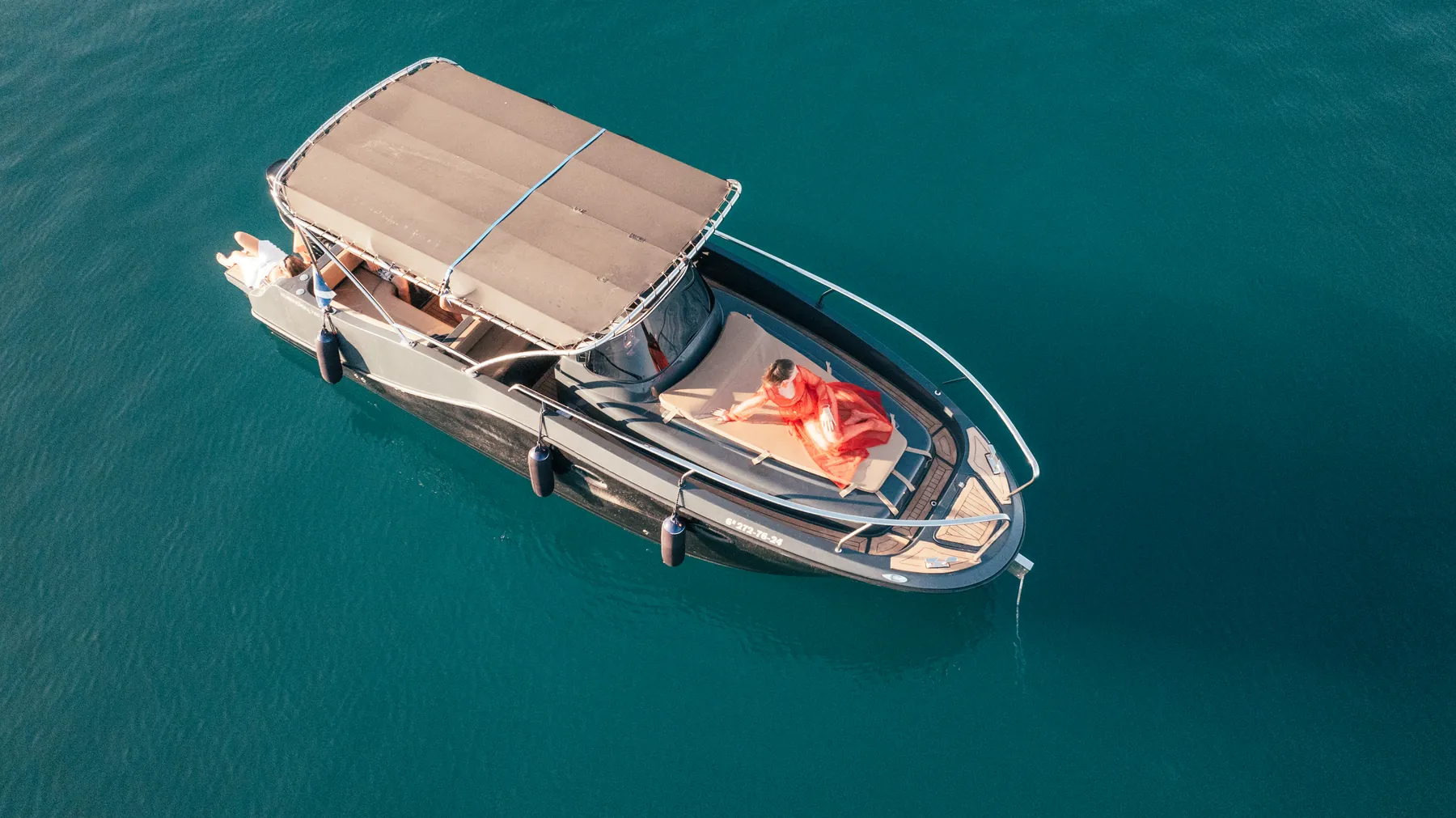
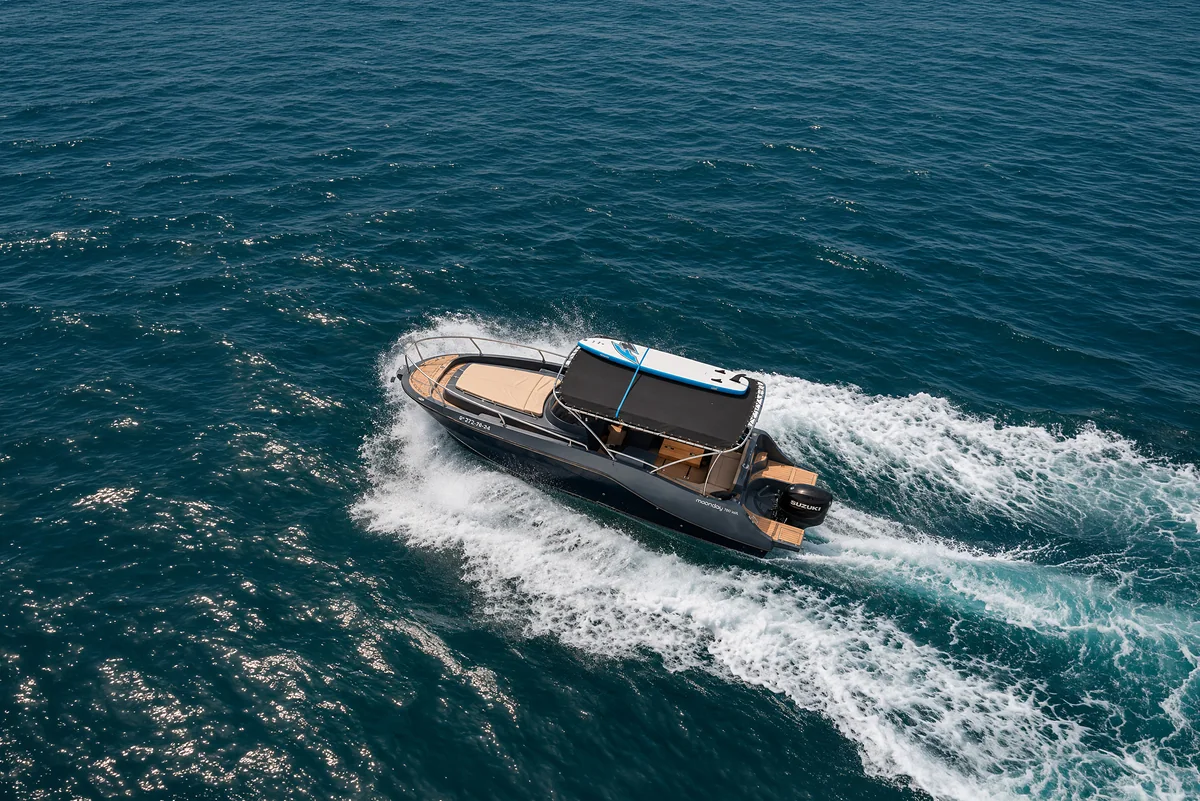
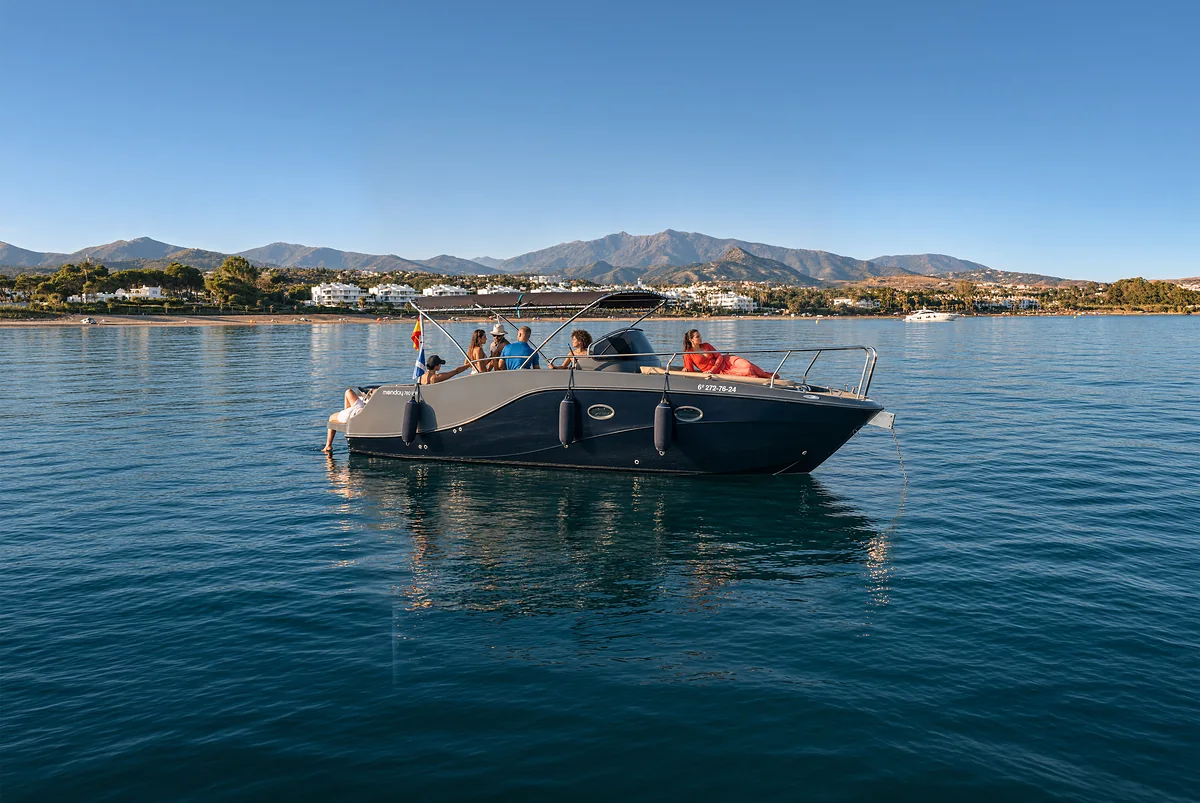
Our dolphin watching trip is a two-hour private outing for up to eight guests, built around the search: a morning departure, time spent scanning rather than racing, and views towards Gibraltar and, on clear days, Morocco. Sightings are not guaranteed, and we will always be straight with you about that.
Wildlife is not limited to that trip. Any of our private coastal charters can bring an encounter, and the five-hour Gibraltar experience crosses some of the most interesting water on this coast, where dolphins are possible too.
FAQ Before you book
Something we haven’t covered? We reply fast on WhatsApp, every day from 10:00 to 20:00.
WhatsApp usNo. Dolphins are wild animals and nobody can promise them. We go out in the morning, when chances are usually best, and our skipper knows these waters, but every trip is different.
Morning departures are usually the best. The sea also tends to be calmer early in the day, which makes fins and splashes easier to spot.
No. It is against the law in Spain, and rightly so: they are wild animals, best watched from the boat as they come and go. You will have your swim later, at a calm stop along the coast.
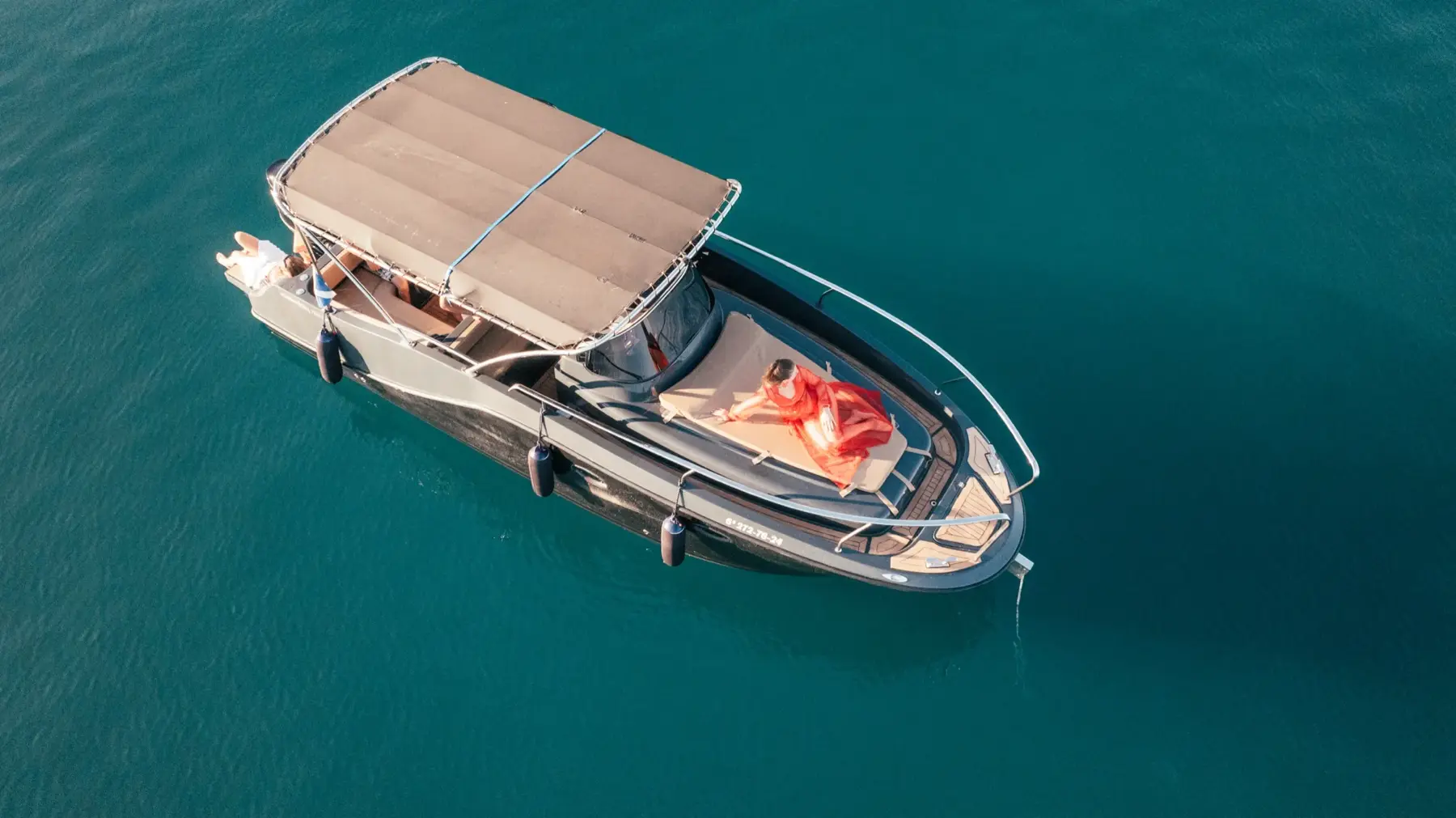
Yes, families are very welcome. The boat is private, with shade, a WC and a freshwater shower on board, and children tend to be the best dolphin spotters of all.
+ Keep reading
Celebrations5 min
Birthdays, hen and stag parties, proposals and family days: how long to go for, what to bring and what we can arrange.
Read the article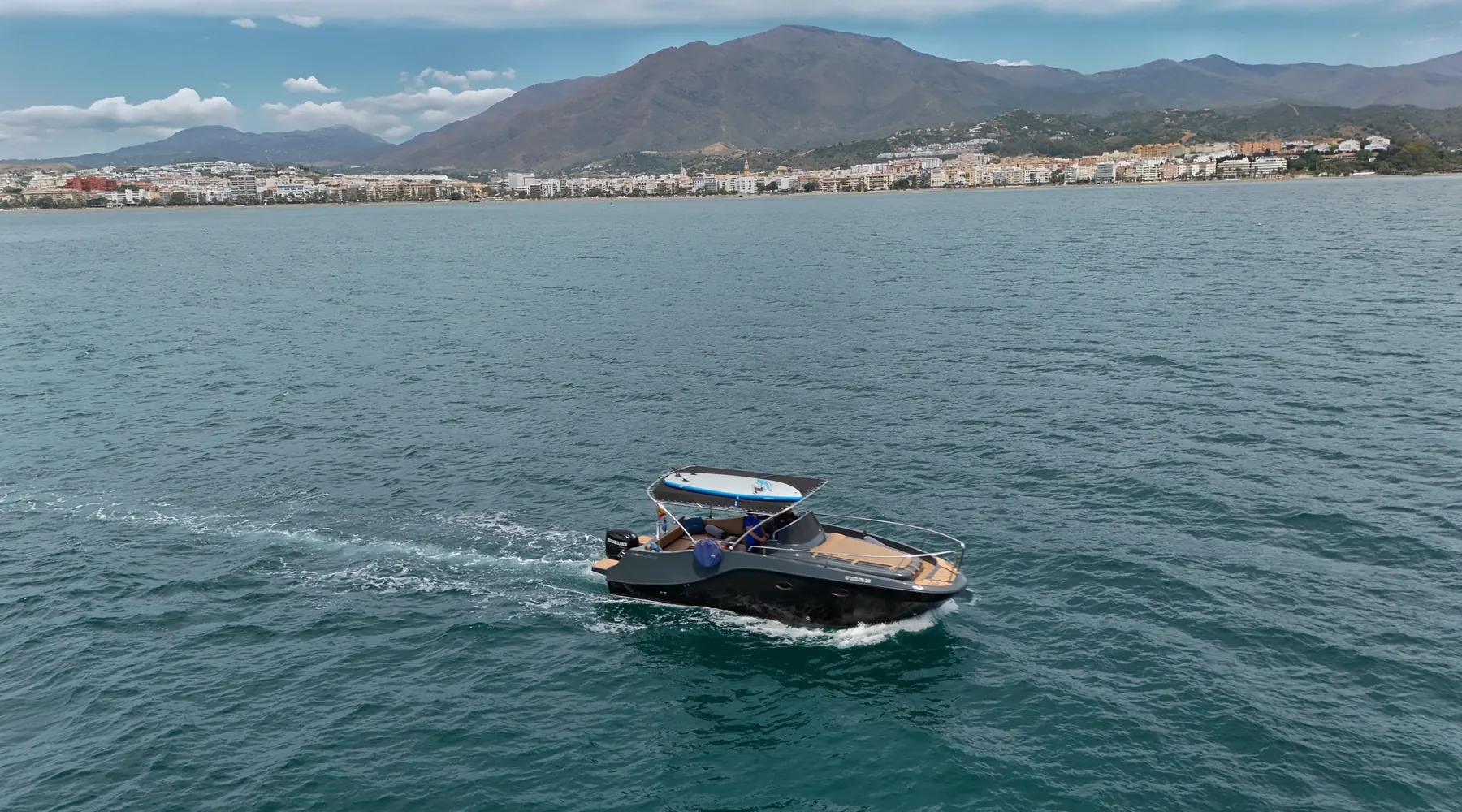
Practical guide4 min
Free parking near the marina, how to find the boat, what to pack and what is already on board. Everything to know before the day.
Read the article A private boat for up to 8 guests, with skipper, fuel, drinks and water toys included. Pick a length and see the available dates.